How to Grow Herbs Indoors Year-Round

Updated: Oct 1
It’s easy to grow indoor herbs year-round when you choose the right herbs, give them 6-8 hours of bright light, use well-draining potting mix, water properly, and, of course, harvest your fresh herbs regularly!
An indoor herb garden brings brightness and scent to your kitchen year-round and can be easily used in cooking and as garnishes. Even kitchen newcomers benefit from having fresh herbs around; a quick garnish of fresh herbs brightens everything from boxed mac and cheese to sandwiches.
Fresh herbs offer unmatched flavor and color to almost any meal and, when grown indoors, can be enjoyed year-round. Indoor herb gardens are especially helpful for people who don’t have a sunny outdoor space to plant a garden. Let’s explore how to grow indoor herbs for cooking, including expert tips from Bath Garden Center & Nursery.
What Are The Best Herbs To Grow Indoors Year-Round
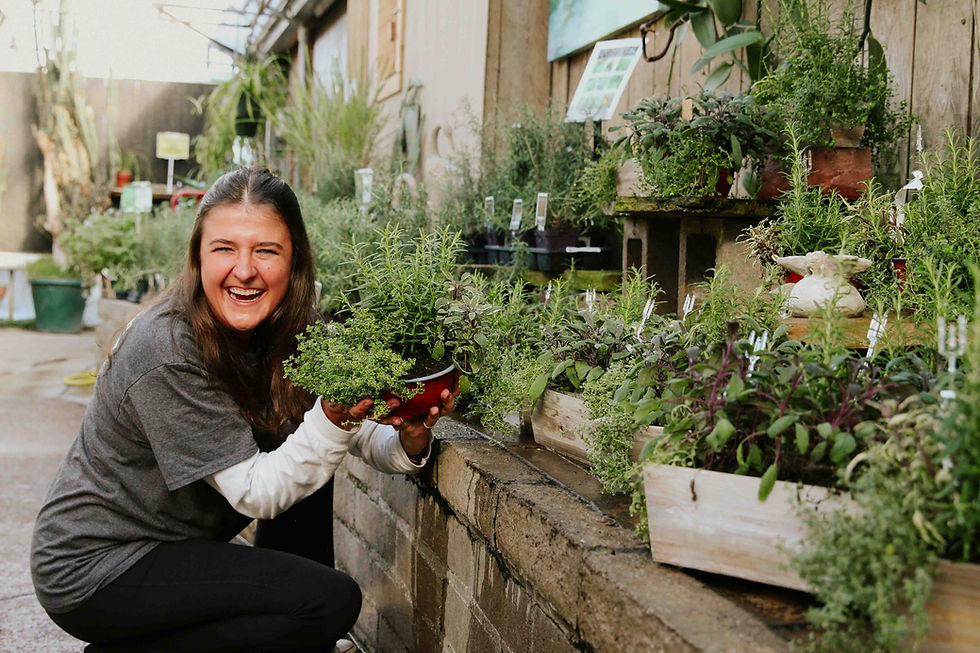
Many popular culinary herbs grow well indoors. Outside of this list, look for compact herbs with shallow roots and moderate light needs. Here are some of the best herbs to plant in your indoor herb garden:
Basil is one of the most popular herbs in the world, with its varieties featured across European and Asian cuisines. It grows quickly and benefits from frequent harvesting and lots of light.
Parsley is a nutritious and delicious herb that features across Mediterranean and American cuisines. A classic garnish or addition to marinades, dressings, or salads, parsley is one of the easiest herbs for beginners to grow. FYI, parsley tolerates slightly less light than basil.
Chives have a fresh, onion flavor and are like delicate, small green onion tops. Perfect for dips and garnishes (a classic on a baked potato!), chives are very low-maintenance and regrow quickly after harvesting.
Mint is a popular herb that is used in both savory and dessert applications. Also popular brewed as a tea, mint is a bountiful herb to add to your garden. Do plant mint in its own container; it spreads rapidly and will take over a shared bed. Harvest this vigorous grower frequently!
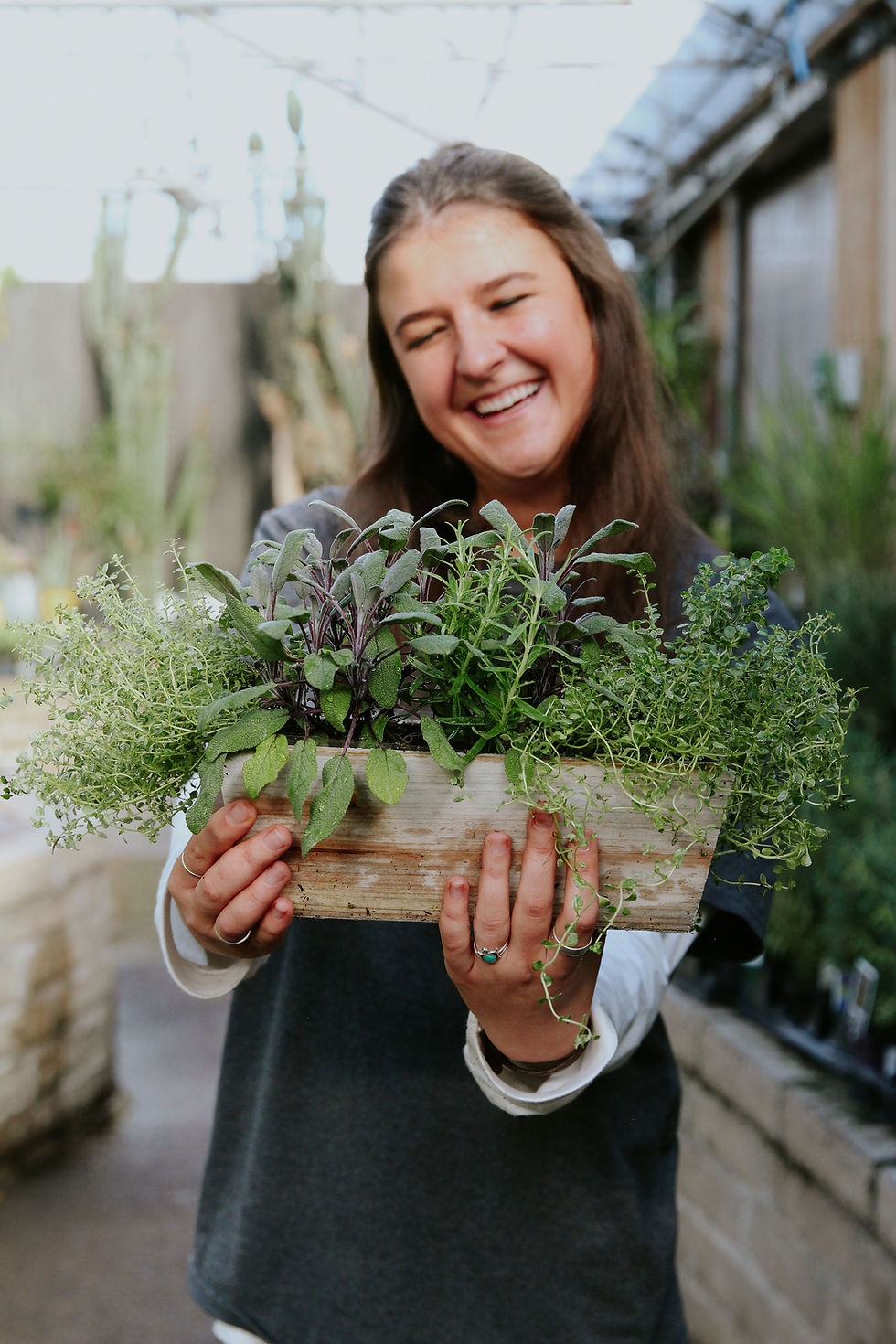
Thyme is a strong, savory herb that’s perfect for most dinner and lunch recipes. A classic herb, thyme forms a fragrant, compact clump. Thyme likes drier soil and works well in a pot with other herbs like oregano, sage, or rosemary.
Oregano is a central flavor in Italian and American cuisine and is perfect for pasta, poultry, and any recipe that calls for an herb mix. Unlike more delicate herbs like basil and parsley, oregano stands up to long simmers and roasting. Oregano likes a lot of bright light.
Cilantro grows well indoors but prefers cooler temperatures. It does bolt (go to flower) quickly in warmer conditions, so keep a few plants growing in cycles. Harvest its outer leaves first and use them in your favorite Mexican or Asian recipes.
Sage is a beautiful, perennial herb with fuzzy leaves. One of the classic Thanksgiving herbs, sage is used in a wide range of European and American cooking. Sage prefers to let the soil dry out a bit between watering and likes a lot of bright light.
Honorable mentions:
Rosemary is a delicious and versatile Mediterranean herb that pairs well with potatoes, meats, and pasta. However, rosemary is a vigorous grower and needs a lot of light to thrive. Plant separately or with other Mediterranean herbs.
Dill is a delightful herb that pairs well with seafood and salads and is essential for pickling. However, dill has a long taproot and requires a deep pot, at least 12 inches.
How Much Light Do Indoor Herb Gardens Need
Herbs like a lot of bright light. Place your herbs in south-facing windows if possible. East- or west-facing windows may work for herbs with lower light requirements, such as parsley. You can supplement or replace natural light with LED grow lights, which are ideal during winter or for darker homes. Another great tip is to rotate your containers in the window regularly to ensure each plant gets even light.
If your plants start looking tall and thin (leggy), pale, or if growth slows down or you notice less flavor and scent, these could be signs that your herbs need more light.
What Is The Best Soil For Growing Herbs Indoors
Use a potting mix that says “well-draining” on the bag; do not use garden soil. Garden soil is too heavy for containers, especially indoor ones, and will smother your plants either by its weight or by retaining water. Plus, garden soil can introduce pests or diseases; go with a high-quality potting mix instead.

Potting mix is designed to hold the right amount of moisture without becoming too compact and heavy. Indoor herbs need a light, well-draining medium that allows water to run through and air to reach the roots, while also holding some moisture. As long as you choose a good potting mix and your containers have plenty of drainage holes, you should be able to grow indoor herbs easily.
Since many herbs grow for more than one season, be sure to repot to a slightly larger container every 1-2 years.
How Often Should You Water Indoor Herbs
There isn’t a set schedule for watering your herbs. Instead, keep an eye on the top layer of soil. A common rule of thumb is to let the top inch of soil dry out before watering. For herbs like oregano, thyme, and rosemary, let them dry out a little longer before watering. But for herbs like basil and parsley, they prefer soil that stays consistently moist. Never allow standing water in drain trays; allow plants to fully drain after watering.
Signs of overwatering include yellowing leaves and root rot; for underwatering, look for wilting and crispy leaf edges.
How To Harvest Herbs Without Damaging the Plant

It can seem counterintuitive, but regularly using your culinary herbs helps them to grow bigger, faster! Harvest up to one-third of the whole plant (never more!) using clean, sharp scissors or snips. You can, of course, harvest less than one-third of your plant; take what you need, but one-third is the max.
Clip above where a leaf is growing to support healthy branching. For herbs like chives and parsley, clip close to the stem’s base, leaving an inch or so of plant. For herbs like thyme or rosemary, clip smaller stems off close to the branch. Always use clean tools and make complete cuts; no ripping!
Some herbs will start to flower and produce seeds. If you don’t want seeds and want the plant to keep producing more leaves, then snip off flower buds as they form.
Shop Indoor Herb Garden Supplies at Bath Garden Center
Find everything you need to get started growing an indoor herb garden at Bath Garden Center & Nursery in Fort Collins! Our friendly and knowledgeable staff is excited to help new gardeners get started with tips and advice, and can help you select the right herbs for your indoor garden. Shop for everything on your list, including healthy herb plants, herb seeds, herb-safe containers, potting mixes, grow lights, and fertilizer.
Resources:
Pennsylvania State University Extension. "Growing Herbs Indoors."
University of Illinois Extension. "Keep growing with herbs indoors this fall, winter."