Plant Care Guides
Welcome to our plant care guide library! Here, you'll find a collection of comprehensive care guides covering a wide range of plants, including houseplants, perennials, annuals, trees, shrubs, and more. Our downloadable and printable guides provide invaluable information on how to care for your beloved plants, ensuring they thrive and flourish in your home or garden. Whether you're a seasoned gardener or just starting out, our user-friendly guides offer essential tips and advice to help you nurture your plants to their fullest potential. Simply download and print your desired guides, and have them handy for quick reference whenever you need assistance with plant care.
Annuals Plant Care Guides

African Daisies Care Guide
-
Water: Keep soil evenly moist, but never soggy
-
Light: Full sun, 6+ hours per day
-
Soil: Requires moist, well-draining soils
-
Fertilization: Feed every 1-2 weeks with a phosphorous-rich fertilizer to encourage blooming. Always follow package instructions.
-
Bloom Time: Summer - Fall
-
Mature Size: 1-3 feet tall, 1-2 feet wide
-
Care Tips: During periods of drought or intense heat, the growth of these plants will slow and they may go dormant. During these periods, aim to keep the soil evenly moist to help keep your African daisies happy and healthy.Click below to download a printable version of this care guide!
Click to download a printable version of this care guide.

Alyssum Care Guide
-
Water: Allow the top 2 inches of soil to dry out between waterings.
-
Light: Full sun to part shade, 6+ hours of sun exposure per day
-
Soil: Requires moist but well-draining soil
-
Fertilization: Fertilize containerized plants once every 2-3 weeks with a balanced fertilizer. Always follow package instructions.
-
Bloom Time: Spring - Fall
-
Mature Size: 3-10 inches tall, 2-4 inches wide
-
Care Tips: Alyssum is susceptible to diseases such as downy mildew, stem and crown rot, and general decline when planted in soil with poor drainage. Ensure soil is well-draining to help avoid issues with overwatering. Watering at the base of the plant keeps water off the leaves and also helps prevent these issues.
Click to download a printable version of this care guide.

Begonias Care Guide
-
Water: Allow top 2 inches of soil to dry out between waterings
-
Light: Partial shade, 2-5 hours of filtered sunlight
-
Soil: Prefers moist but well-draining soil
-
Fertilization: Use a phosphorous-rich fertilizer when actively growing to promote blooming. Always follow package instructions.
-
Bloom Time: Summer - Fall
-
Mature Size: 6-8 inches tall, 6-12 inches wide
-
Care Tips: Begonias grow well in pots, both indoors and outdoors. For outdoor settings, a terra cotta pot with good drainage is recommended for optimal growth. If you’re looking for a begonia variety that can tolerate direct sunlight, wax leaf begonias are an excellent choice.
Click to download a printable version of this care guide.

Coleus Care Guide
-
Water: Keep the soil consistently moist, allowing the top inch of soil to dry out between waterings.
-
Light: Partial shade, 2-5 hours of filtered sunlight
-
Soil: Prefers well-draining soil amended with sand or compost
-
Fertilization: Fertilize coleus monthly with a balanced fertilizer. Always follow package instructions.
-
Bloom Time: Late Summer
-
Mature Size: 6-36 inches tall, 12-36 inches wide
-
Care Tips: Coleus thrives in partial to full shade, although newer varieties have shown tolerance to full sun. For the best foliage color, it's recommended to select a location that receives morning sunlight and afternoon shade. For easy fertilizing, mix a slow-release fertilizer into the soil before planting.
Click to download a printable version of this care guide.

Fuchsia Care Guide
-
Water: Keep soil evenly moist, but never soggy
-
Light: Indirect, filtered sunlight
-
Soil: Prefers soil high in organic matter
-
Fertilization: Fertilize weekly with a balanced fertilizer. Use a blooming formula when plant is setting buds. Always follow package instructions.
-
Bloom Time: Summer - Fall
-
Mature Size: 6-12 inches tall, 12-24 inches wide
-
Care Tips: Tolerates direct morning sun. Keep away from hot, dry locations that receive direct afternoon sun. Filtered, indirect sun for 6+ hours is ideal. Fuchsia require consistently moist, well-draining soil to thrive. Do not allow soil to dry out.
Click to download a printable version of this care guide.

Cosmos Care Guide
-
Water: Allow soil to dry out slightly between waterings
-
Light: Full sun, 6+ hours per day
-
Soil: Tolerant of poor soil and arid conditions
-
Fertilization: Cosmos do not require fertilizer. Fertilize only if they seem to be struggling on their own.
-
Bloom Time: Summer - Fall
-
Mature Size: 4-8 inches tall, 4-6 inches wide
-
Care Tips: If seed heads are left at the end of the season, cosmos will often reseed themselves and appear again next spring. If cosmos seem to be struggling, fertilize with a solution high in phosphorous to help with bud formation. Avoid nitrogen-rich fertilizers as this can cause foliage growth to outweigh boom development.
Click to download a printable version of this care guide.

Geraniums Care Guide
-
Water: Allow soil to dry out almost completely between waterings.
-
Light: Full sun, 6+ hours per day
-
Soil: Prefers well-draining soil high in organic matter.
-
Fertilization: Fertilize with a balanced solution every 4-6 weeks. Always follow package instructions.
-
Bloom Time: Summer - Fall
-
Mature Size: 6-36 inches tall, 12-36 inches wide
-
Care Tips: Keep your plants blooming all season long by deadheading any spent flowers. This simple task not only encourages new growth but also helps prevent diseases, ensuring your plants stay healthy and vibrant. Geraniums prefer full sun but can tolerate slightly shaded growing conditions.
Click to download a printable version of this care guide.

Dahlias Care Guide
-
Water: Do not allow soil to dry out completely in between waterings.
-
Light: Full sun, 6+ hours per day
-
Soil: Requires loose, well-draining soil. Does not tolerate heavy soils.
-
Fertilization: Use a fertilizer low in nitrogen every 2-3 weeks for containerized dahlias. Always follow package instructions.
-
Bloom Time: Summer - Fall
-
Mature Size: 15-72 inches tall, 12-36 inches wide
-
Care Tips: Proper pruning is essential for optimal growth. When the plant reaches approximately 16 inches in height, prune by pinching the top tips above a set of healthy leaves. This technique encourages the growth of multiple new stems, replacing the pinched central stem.
Click to download a printable version of this care guide.

Hibiscus Care Guide
-
Water: Allow the top inch of soil to dry out between waterings.
-
Light: Full-partial sun, 4-6 hours per day
-
Soil: Prefers well-draining soil amended with organic matter
-
Fertilization: Hibiscus plants will produce more blooms when fertilized regularly. Always follow package instructions.
-
Bloom Time: Summer - Fall
-
Mature Size: 3-10 feet tall, 2-8 feet wide
-
Care Tips: Hibiscus plants can be overwintered indoors! Before bringing them inside, prune them back, spray with a hose, and treat them with a systemic pest control product. Then, place your plant by a bright window and allow the soil to dry out between waterings.
Click to download a printable version of this care guide.

Impatiens Care Guide
-
Water: Keep soil evenly moist, but never soggy.
-
Light: Partial shade, 2-4 hours filtered sunlight
-
Soil: Prefers moist, well-draining soil rich in organic matter
-
Fertilization: Fertilize with a water soluble fertilizer every week. Always follow package instructions.
-
Bloom Time: Summer - Fall
-
Mature Size: 6-36 inches tall, 12-36 inches wide
-
Care Tips: Container-grown plants typically require more fertilizer and water than those planted in the ground. Morning sun and afternoon shade is ideal for these plants. Too much sun will scorch these plants, but too heavy of shade will result in leggy growth with less blooms.
Click to download a printable version of this care guide.

Geraniums Care Guide
-
Water: Allow soil to dry out almost completely between waterings.
-
Light: Full sun, 6+ hours per day
-
Soil: Prefers well-draining soil high in organic matter.
-
Fertilization: Fertilize with a balanced solution every 4-6 weeks. Always follow package instructions.
-
Bloom Time: Summer - Fall
-
Mature Size: 6-36 inches tall, 12-36 inches wide
-
Care Tips: Keep your plants blooming all season long by deadheading any spent flowers. This simple task not only encourages new growth but also helps prevent diseases, ensuring your plants stay healthy and vibrant. Geraniums prefer full sun but can tolerate slightly shaded growing conditions.
Click to download a printable version of this care guide.

Lobelia Care Guide
-
Water: Keep soil evenly moist, but never soggy.
-
Light: Full-partial sun, 4-6 hours per day
-
Soil: Can tolerate most soil types. Prefers rich, well-draining, slightly acidic soils.
-
Fertilization: Fertilize every two weeks with a liquid fertilizer formulated for flowering plants. Always follow package instructions.
-
Bloom Time: Summer - Fall
-
Mature Size: 6-9 inches tall, 9-10 inches wide
-
Care Tips: While lobelia is tolerant of many soil types, it is important to not allow the soil to become waterlogged, as this can lead to root rot. Lobelia is toxic if ingested. Consider planting out of reach of dogs or children.
Click to download a printable version of this care guide.

Marigolds Care Guide
-
Water: Water when the top inch of soil is dry
-
Light: Full sun, 6+ hours per day
-
Soil: Tolerant of many soil types. Prefers fertile, well-draining soils.
-
Fertilization: Marigolds do not require fertilizer. Feed only if the soil is extremely poor in nutrients.
-
Bloom Time: Summer - Fall
-
Mature Size: 4-48 inches tall, 6-24 inches wide
-
Care Tips: Marigolds emit a fragrance that repels many common garden pests, making them a fantastic companion plant. Plant in your vegetable or flower gardens to repel tomato worms, thrips, whiteflies, and more.
Click to download a printable version of this care guide.

Pansies & Violas Care Guide
-
Water: Water when top inch of soil is dry. Keep evenly moist, but never soggy.
-
Light: Full to partial sun, 6+ hours per day
-
Soil: Fertile, well-draining soil amended with sand or compost.
-
Fertilization: Heavy feeders. Fertilize regularly with a balanced fertilizer. Always follow package instructions.
-
Bloom Time: Summer - Fall
-
Mature Size: 4-8 inches tall, 4-6 inches wide
-
Care Tips: Vibrant blooms are edible and can be enjoyed as a delightful addition to salads, desserts, and even cocktails, with their petals offering a mild, slightly sweet flavor. Pansies and violas are great for early and late-season planting, as they prefer cooler temperatures.
Click to download a printable version of this care guide.

Petunias Care Guide
-
Water: Prefers consistently moist soil. Can tolerate some drought.
-
Light: Full sun, 6+ hours per day
-
Soil: Fertile, well-draining soil amended with sand or compost
-
Fertilization: Fertilize regularly with a balanced fertilizer. Always follow package instructions.
-
Bloom Time: Summer - Fall
-
Mature Size: 6-24 inches tall, 6-36 inches wide
-
Care Tips: Petunias tend to develop leggy stems. Regularly deadhead the flowers and pinch back the stems to maintain a fuller, more healthy appearance. Avoid getting water on the leaves and blooms as much as possible.
Click to download a printable version of this care guide and Glow in the Dark Firefly Petunia Care Gude.

Snapdragon Care Guide
-
Water: Allow the top inch of soil to dry out between waterings
-
Light: Full sun, 6+ hours per day
-
Soil: Prefers moist well-draining soil high in organic matter
-
Fertilization: Apply a balanced fertilizer when they first begin to bloom. Always follow package instructions.
-
Bloom Time: Summer - Fall
-
Mature Size: 6-48 inches tall, 6-12 inches wide
-
Care Tips: Snapdragons prefer cooler temps (~70°F) and may stop blooming in intense heat. In this case, provide afternoon shade to encourage blooming. Pinch stems at the tips for bushier, more dense plants. Deadhead spent flowers for extended blooming.
Click to download a printable version of this care guide.

Verbena Care Guide
-
Water: Prefers moderately moist soil. Can tolerate some drought.
-
Light: Full sun, 6+ hours per day
-
Soil: Thrives in moist, well-draining soils amended with compost
-
Fertilization: Fertilize once per month with a balanced fertilizer. Always follow package instructions.
-
Bloom Time: Summer - Fall
-
Mature Size: 9-12 inches tall, 12-18 inches wide
-
Care Tips: Verbena plants are susceptible to powdery mildew and may attract common pests. Pests can be treated with insecticidal soaps. To minimize powdery mildew, water at ground level to avoid getting water on the leaves of the plant.
Click to download a printable version of this care guide.

Zinnias Care Guide
-
Water: Allow the top 2 inches of soil to dry out between waterings
-
Light: Full sun, 6+ hours per day
-
Soil: Well-draining soil amended with sand or compost
-
Fertilization: Fertilize monthly with a fertilizer that is high in phosphorous to promote blooming. Always follow package instructions.
-
Bloom Time: Summer - Fall
-
Mature Size: 1-4 feet tall, 6-18 inches wide
-
Care Tips: Zinnias thrive when their flowers are harvested, making them ideal for a cutting garden. By cutting the mature flowers for bouquets, you encourage continuous blooming throughout the season.
Click to download a printable version of this care guide.
Houseplant Care Guides

African Violet Care Guide
-
Water: Keep soil evenly moist. Bottom watering is highly recommended.
-
Light: Bright indirect or direct morning light
-
Fertilization: Requires fertilizer specific to African Violets. Fertilize with every watering according to package instructions.
-
Humidity: Moderate (40%-60%)
-
Pet Safe?: Yes
-
Important Notes: Avoid getting water on the leaves and plant in a pot specific to African Violets for best growing results.
Click to download a printable version of this care guide.

Aglaonema (Chinese Evergreen) Care Guide
-
Water: Prefers evenly moist soil. Tolerant of short periods of drought.
-
Light: Medium to bright indirect light. Can tolerate lower light.
-
Fertilization: Fertilize 1-2 times per month during the growing season using a balanced fertilizer (10-10-10). Always follow package instructions.
-
Humidity: Moderate (40%-60%)
-
Pet Safe?: Highly toxic
-
Important Notes: These houseplants are beginner friendly and low-light tolerant, making them a great, easy plant option.
Read in depth about how to care for Chinese Evergreens in our blog, or click below to download a printable care guide!
Click to download a printable version of this care guide.

Alocasia Care Guide
-
Water: Keep soil evenly moist.
-
Light: Bright indirect light
-
Soil: Well draining potting mix
-
Fertilization: Fertilize 1-2 times per month during the growing season using a balanced fertilizer (10-10-10). Always follow package instructions.
-
Humidity: High (60%-80%)
-
Pet Safe?: Mildly toxic
-
Fun Fact: Alocasias grow from tubers or rhizomes, and while their foliage is toxic, certain varieties are often farmed in more tropical environments for the edible bulb that grows beneath the soil (taro root).
Click to download a printable version of this care guide.

Bird of Paradise Care Guide
-
Water: Water every 1-2 weeks. Allow soil to dry out between waterings.
-
Light: Direct sunlight. Can tolerate bright indirect light.
-
Fertilization: Fertilize 1-2 times per month during the growing season using a balanced fertilizer (10-10-10). Always follow package instructions.
-
Humidity: Moderate (40%-60%)
-
Pet Safe?: Highly toxic
-
Important Notes: It is best to water with filtered water. Alternate option: Let tap water sit overnight before use.
Click to download a printable version of this care guide.

Cacti & Euphorbia Care Guide
-
Water: Allow the soil to dry completely between waterings.
-
Light: Direct sunlight
-
Fertilization: Use cactus-specific fertilizer every three months during the growing season. Do not fertilize during the winter.
-
Humidity: Low (10%-40%)
-
Pet Safe?: Mildly toxic
-
Important Notes: Be sure not to overwater, as they are susceptible to root rot.
Click to download a printable version of this care guide.

Calathea Care Guide
-
Water: Allow soil to dry out slightly between waterings. Maintain slightly moist soil.
-
Light: Medium to bright indirect light. Can tolerate lower light conditions.
-
Soil: Well draining potting mix. Optional: Amend with peat moss and orchid bark.
-
Fertilization: Use a nitrogen-rich fertilizer once every three months. Do not fertilize during the winter season.
-
Humidity: High (60%-80%)
-
Pet Safe?: Yes
-
Important Notes: Calatheas require very specific moisture and humidity to keep leaves healthy and beautiful. Dry or curling leaves indicate underwatering. Calatheas can also be susceptible to fungal disease which will appear as spots on leaves. Water only with distilled water.
Read in depth about how to care for Calatheas in our blog, or click below to download a printable care guide!

Chlorophytum Comosum (Spider Plant) Care Guide
-
Water: Allow soil to dry out between waterings.
-
Light: Bright indirect light. Can tolerate low light conditions.
-
Fertilization: Fertilize once per month during the growing season using a balanced fertilizer (10-10-10). Always follow package instructions.
-
Humidity: Moderate (40%-60%)
-
Pet Safe?: Yes
-
Important Notes: Spider plants will self-propagate by producing plantlets when they are in ideal growing conditions. Spider plants store water in their roots, making them very drought tolerant. Be careful not to overwater!
Click to download a printable version of this care guide.

Dracaena Care Guide
-
Water: Allow soil to dry out between waterings. Slightly drought tolerant.
-
Light: Bright indirect light. Tolerant of low light.
-
Soil: Well draining potting mix. Optional: Amend soil with sand or perlite to improve drainage.
-
Fertilization: Fertilize 1-2 times per month during the growing season using a balanced fertilizer (10-10-10). Always follow package instructions.
-
Humidity: High (60%-80%)
-
Pet Safe?: Mildly toxic
-
Important Notes: Use distilled water or allow water to sit out over night to avoid the tips of the leaves turning brown and crispy. Dracaena are slightly drought tolerant and are especially susceptible to root rot, so be careful not to overwater.
Read in depth about how to care for Dracaena in our blog, or click below to download a printable care guide!

Ferns Care Guide
-
Water: Maintain moist soil. Do not allow soil to become waterlogged.
-
Light: Medium to bright indirect light
-
Fertilization: Fertilize once per month using a well-balanced fertilizer in spring and summer. Fertilize every other month in fall and winter.
-
Humidity: High (60%-80%)
-
Pet Safe?: Yes
Click to download a printable version of this care guide.

Ficus Elastica (Rubber Tree) Care Guide
-
Water: Allow soil to dry out between waterings.
-
Light: Bright indirect light. Can tolerate direct sun if acclimated properly.
-
Fertilization: Fertilize 1-2 times per month during the growing season using a balanced fertilizer (10-10-10). Always follow package instructions.
-
Humidity: Moderate (40%-60%)
-
Pet Safe?: Mildly toxic
-
Important Notes: While Rubber Trees are often labeled as low light plants, they grow best with a few hours of direct sunlight. Be sure to gradually acclimate them to brighter light exposure. Plant may experience leaf drop if not acclimated properly or if exposed to cold drafts or other unfavorable conditions.
Click to download a printable version of this care guide.

Ficus Lyrata (Fiddle leaf Fig) Care Guide
-
Water: Allow soil to dry out slightly between waterings.
-
Light: Bright indirect light. Can tolerate direct sun if properly acclimated.
-
Fertilization: Use a nitrogen-dominant fertilizer once per month during the growing season. Do not fertilize during the winter. Always follow package instructions.
-
Humidity: Moderate (40%-60%)
-
Pet Safe?: Mildly toxic
-
Important Notes: Fiddle Leaf Figs can be challenging to maintain due to their temperamental nature and high sensitivity to environmental factors, particularly fluctuating temperatures. They require careful attention to thrive.
Click to download a printable version of this care guide.

Hoyas Care Guide
-
Water: Allow soil to dry out completely between waterings.
-
Light: Bright indirect light
-
Fertilization: Fertilize lightly with a well-balanced fertilizer (2-2-2). Switch to phosphorous-rich fertilizer when plant begins to flower for bigger blooms.
-
Humidity: Moderate (40%-60%)
-
Pet Safe?: Yes
-
Important Notes: For optimal blooming, provide Hoya plants with ample light. Use a soluble plant food with a higher middle number (rich in phosphorus) to promote and support bigger blooms.
Click to download a printable version of this care guide.

Monstera Deliciosa Care Guide
-
Water: Allow the soil to dry out between waterings.
-
Light: Bright indirect light
-
Fertilization: Fertilize 1-2 times per month during the growing season using a balanced fertilizer (10-10-10). Always follow package instructions.
-
Humidity: Moderate (40%-60%)
-
Pet Safe?: Mildly toxic
Click to download a printable version of this care guide.

Orchids Care Guide
-
Water: Water once per week. Do not let roots sit in standing water.
-
Light: Medium to bright indirect light
-
Soil: Sphagnum moss or orchid bark. Browse orchid mediums online!
-
Fertilization: Fertilize weakly, weekly with an orchid-specific fertilizer.
-
Humidity: Moderate (40%-60%)
-
Pet Safe?: Yes
-
Important Notes: Do not use ice cubes to water. Cold temperatures can shock the plant and damage the roots. Use a fertilizer specifically formulated for orchid blooms to stimulate blooming.
Read in depth about how to care for Orchids in our blog, or click below to download a printable care guide!

Philodendrons Care Guide
-
Water: Allow soil to dry out between waterings.
-
Light: Medium to bright indirect light
-
Fertilization: Fertilize 1-2 times per month during the growing season using a balanced fertilizer (10-10-10). Always follow package instructions.
-
Humidity: Moderate (40%-60%)
-
Pet Safe?: Highly toxic
-
Important Notes: Philodendrons are excellent choices for indoor spaces as they excel in air purification, contributing to a cleaner and healthier environment. They can also thrive in lower light conditions, making them versatile additions to any indoor environment.
Click to download a printable version of this care guide.

Pothos Care Guide
-
Water: Allow soil to dry out between waterings.
-
Light: Medium to bright indirect light. Can tolerate low light.
-
Fertilization: Fertilize 1-2 times per month during the growing season using a balanced fertilizer (10-10-10). Always follow package instructions.
-
Humidity: Moderate (40%-60%)
-
Pet Safe?: Highly toxic
-
Important Notes: Pothos are easy to propagate. Simply take a 2-3 leaf cutting with several viable nodes. Place in water and allow roots to form. This plant is low-maintenance, can tolerate low light, and is ideal for beginners.
Click to download a printable version of this care guide.

Sansevieria (Snake Plant) Care Guide
-
Water: Allow soil to dry out between waterings.
-
Light: Medium to bright indirect light. Can tolerate low light.
-
Fertilization: Fertilize once in spring and once in summer using a balanced fertilizer (10-10-10). Be careful not to overfertilize!
-
Humidity: Moderate (40%-60%)
-
Pet Safe?: Mildly toxic
-
Important Notes: Snake Plants are actually a drought-tolerant succulent. They grow best in containers where they are slightly root-bound. If kept in a low-light space, watering once per month may be sufficient. Be careful not to overwater.
Read in depth about how to care for Snake Plants in our blog, or click below to download a printable care guide!

Spathiphyllum (Peace Lily) Care Guide
-
Water: May require frequent watering. Allow soil to dry out between waterings.
-
Light: Medium to bright indirect light. Can tolerate low light.
-
Fertilization: Fertilize 1-2 times per month during the growing season using a balanced fertilizer (10-10-10). Always follow package instructions.
-
Humidity: High (60%-80%)
-
Pet Safe?: Highly toxic
-
Important Notes: Peace lilies are renowned for their air purifying abilities. Clean the leaves regularly to prevent dust build-up and encourage photosynthesis. These plants are low-light tolerant, low-maintenance, and beginner friendly.
Read in depth about how to care for Peace Lilies in our blog, or click below to download a printable care guide!

Succulents Care Guide
-
Water: Allow soil to dry out between waterings.
-
Light: Direct sunlight
-
Fertilization: Requires minimal fertilizing. Use a balanced cacti/succulent specific fertilizer (1-1-1) and fertilize 1-2 times during the growing season.
-
Humidity: Low (10-40%)
-
Pet Safe?: Mildly toxic
-
Important Notes: The most common reason for why succulents die is overwatering. These plants are highly adapted to arid environments and store water in their leaves. Overwatering will cause them to rot and die. When in doubt, less is more!
Click to download a printable version of this care guide.

Syngoniums (Arrowhead Plant) Care Guide
-
Water: Allow soil to dry out slightly between waterings.
-
Light: Medium to bright indirect light
-
Fertilization: Fertilize once per month during the growing season using a balanced fertilizer (10-10-10). Always follow package instructions.
-
Humidity: Moderate (40%-60%)
-
Pet Safe?: Mildly toxic
-
Important Notes: As Syngonium houseplants mature, they may develop trailing or climbing stems and larger leaves. To maintain its youthful shape, simply trim it as desired.
Click to download a printable version of this care guide.
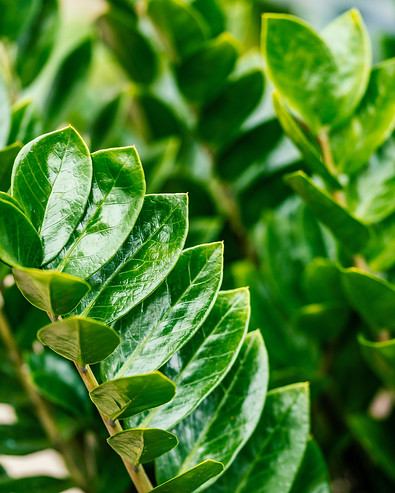
Zamioculcas Zamiifolia (ZZ Plant) Care Guide
-
Water: Allow soil to dry out between waterings.
-
Light: Medium to bright indirect light. Can tolerate low light.
-
Fertilization: Fertilize once in spring and once in summer using a balanced fertilizer (10-10-10). Be careful not to overfertilize!
-
Humidity: Moderate (40%-60%)
-
Pet Safe?: Highly toxic
-
Important Notes: Large potato-like rhizomes can often be found under the surface of the ZZ Plant's soil intertwined with their roots. They serve as water storage organs to aid the plant in surviving drought conditions in its native habitat. Thrives when slightly root-bound.
Click to download a printable version of this care guide.
Perennials Plant Care Guides

Achillea Millefolium (Yarrow) Care Guide
-
Water: 1-2x per week
-
Light: Full sun
-
Soil: Sandy, loamy, clay, well-draining
-
Fertilization: Does not require fertilizer
-
Bloom Time: Summer - Fall
-
Mature Size: 2-3 ft. tall, 2-3 ft. wide
-
Attributes: Attracts pollinators, fragrant, cut flower, drought tolerant once established, xeric, deer resistant, rabbit resistant
Click to download a printable version of this care guide.

Agastache (Hummingbird Mint, Hyssop) Care Guide
-
Water: 1-2x per week
-
Light: Full sun to part shade
-
Soil: Well-draining, acidic
-
Fertilization: Add a layer of compost in the fall.
-
Bloom Time: Summer - Fall
-
Mature Size: 3-5 ft. tall, 1-3 ft. wide
-
Attributes: Attracts hummingbirds, fragrant, attracts butterflies, attracts pollinators, cut flower, deer resistant, xeric, rabbit resistant, drought tolerant once established
Click to download a printable version of this care guide.

Columbine Care Guide
-
Water: 1-2x per week
-
Light: Full sun
-
Soil: Prefers moist, well-draining, acidic soils
-
Fertilization: Add a layer of compost in the spring
-
Bloom Time: Spring - Fall
-
Mature Size: 2-2.5ft. tall, 1-2 ft. wide
-
Attributes: Attracts hummingbirds, cut flower, attracts pollinators, deer resistant, rabbit resistant
-
Care Tip: Mulching is beneficial for the Columbine, as it helps maintain the evenly moist environment that this plant thrives in.
Click to download a printable version of this care guide.
_01_Edited.jpg)
Coreopsis (Tickseed) Care Guide
-
Water: 1-2x per week
-
Light: Full sun to part shade
-
Soil: Sandy, well-draining
-
Fertilization: Feed with a slow-release fertilizer in the spring.
-
Bloom Time: Summer - Fall
-
Mature Size: 2-4 ft. tall, 1-2 ft. wide
-
Attributes: Attracts pollinators, cut flower, deer resistant, xeric, rabbit resistant, drought tolerant once established
-
Fun Fact: Coreopsis is often referred to as "Tickseed," a nickname derived from the small, round seeds resembling ticks.
Click to download a printable version of this care guide.

Chrysanthemums (Mums) Care Guide
-
Water: Keep soil evenly moist, but never soggy
-
Light: Full sun, 6+ hours per day
-
Soil: Requires rich, moist, well-draining soil
-
Fertilization: Fertilize with a balanced fertilizer once per week. Always follow package instructions.
-
Bloom Time: Late Summer - Fall
-
Mature Size: 4-36 inches tall, 12-36 inches wide
-
Care Tips: There are two different kinds of mums: floral mums (annuals) and garden mums (perennials). While their care is very similar, garden mums can be planted in the ground for their blooms to be enjoyed for multiple seasons. At Bath, we carry garden mums. Be sure to check which kind you get so you can enjoy them accordingly!
Click to download a printable version of this care guide.

Dianthus Care Guide
-
Water: 2-3x per week
-
Light: Full sun
-
Soil: Fertile, well-draining, and acidic
-
Fertilization: Add a layer of compost in the spring.
-
Bloom Time: Summer - Fall
-
Mature Size: 1/3-3 ft. tall, 1/3-2 ft. wide
-
Attributes: Attracts hummingbirds, fragrant, deer resistant, attracts pollinators, cut flower
-
Fun Fact: Dianthus flowers are ideal for bouquet arrangements due to their sturdy stems and long-lasting blooms.
Click to download a printable version of this care guide.

Echinacea (Coneflower) Care Guide
-
Water: 1-2x per week
-
Light: Full sun to part shade
-
Soil: Tolerant of most soil types. Prefers fertile, well-draining soil.
-
Fertilization: Add a layer of compost in the spring.
-
Bloom Time: Summer - Fall
-
Mature Size: 3-4 ft. tall, 1-3 ft. wide
-
Attributes: Attracts birds, drought tolerant once established, attracts butterflies, attracts pollinators, cut flower, xeric
-
Fun Fact: Refrain from cutting back your Echinacea until spring, as birds love to feast on the seeds during the winter months.
Click to download a printable version of this care guide.
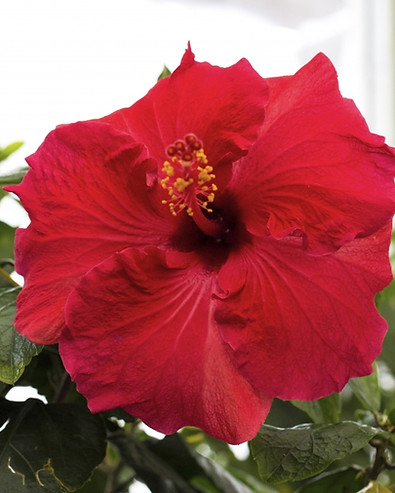
Hardy Hibiscus (Rose Mallow) Care Guide
-
Water: 2-3x per week
-
Light: Full sun
-
Soil: Fertile, well-draining
-
Fertilization: Fertilize weekly with diluted liquid fertilizer or use slow-release fertilizer once during the spring, summer, and fall.
-
Bloom Time: Summer - Fall
-
Mature Size: 3-7 ft. tall, 2-5 ft. wide
-
Attributes: Attracts pollinators, fast growing, deer resistant, attracts hummingbirds
-
Fun Fact: Hardy Hibiscus thrive in sunny, wet areas, making them an ideal solution for problem spots in your yard with poor drainage.
Click to download a printable version of this care guide.

Heuchera (Coral Bells, Alumroot) Care Guide
-
Water: 2-3x per week
-
Light: Full sun - part shade
-
Soil: Fertile, well-draining, and acidic
-
Fertilization: Feed in the spring with compost or a light amount of slow-release fertilizer.
-
Bloom Time: Spring - Fall
-
Mature Size: 1-3 ft. tall, 1-3 ft. wide
-
Attributes: Attracts hummingbirds, cut flower, deer resistant, attracts pollinators
-
Helpful Tip: Prevent frost heaving by mulching around the plants with weed-free organic materials like composted manure, wood chips, or bark chips in the fall to insulate the soil.
Click to download a printable version of this care guide.

Hosta Care Guide
-
Water: 2-3x per week
-
Light: Shade
-
Soil: Grows best in acidic, loamy, well-draining soil.
-
Fertilization: Add a layer of compost or slow release fertilizer in the spring.
-
Bloom Time: Summer
-
Mature Size: 1/2-3/4 ft. tall, 4-6ft. wide
-
Attributes: Attracts hummingbirds, cut flower, attracts pollinators
-
Helpful Tip: To prevent powdery mildew in Hostas, use a drip hose to water the base of the plants, ensuring the leaves remain dry, as moisture on the leaves can create a breeding ground for the fungus.
Click to download a printable version of this care guide.

Irises Care Guide
-
Water: 1-2x per week
-
Light: Full sun
-
Soil: Well-draining, does not tolerate wet soils
-
Fertilization: Does not require fertilizer
-
Bloom Time: Spring - Summer
-
Mature Size: 1-4 ft. tall, 1-2 ft. wide
-
Attributes: Attract hummingbirds, fragrant, deer resistant, drought tolerant once established, cut flower, xeric
-
Fun Fact: Irises will reproduce and multiply over time, giving you a bounty of flowers to transplant to other areas of your garden or share with a friend!
Click to download a printable version of this care guide.

Lamprocapnos Spectabilis (Bleeding Heart) Care Guide
-
Water: 2-3x per week
-
Light: Shade - partial sun
-
Soil: Humus-rich, moist, well-draining soil high in organic matter
-
Fertilization: Fertilize in early spring with a high phosphorus fertilizer (20-30-20).
-
Bloom Time: Spring - Summer
-
Mature Size: 1-3 ft. tall, 2-3 ft. wide
-
Attributes: Attracts hummingbirds, cut flower, deer resistant
-
Fun Fact: Butterflies and hummingbirds are the primary pollinators of Bleeding Hearts. It also receives assistance in seed dispersal from ants! Bleeding Hearts grow best in light shade.
Click to download a printable version of this care guide.
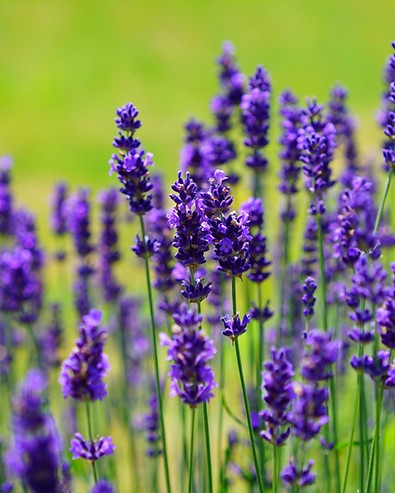
Lavandula Care Guide
-
Water: 1-2x per week
-
Light: Full sun
-
Soil: Alkaline, well-draining
-
Fertilization: Apply slow-release fertilizer throughout the growing season.
-
Bloom Time: Summer - Fall
-
Mature Size: 1-2 ft. tall, 2-3 ft. wide
-
Attributes: Attracts hummingbirds, fragrant, attracts butterflies, attracts pollinators, cut flower, deer resistant, drought tolerant once established, rabbit resistant, xeric
Click to download a printable version of this care guide.

Lupine Care Guide
-
Water: 2-3x per week
-
Light: Full sun
-
Soil: Well-draining, slightly acidic
-
Fertilization: Fertilize with a balanced slow release fertilizer (20-20-20).
-
Bloom Time: Spring - Summer
-
Mature Size: 3-4 ft. tall, 1-1.5 ft. wide
-
Attributes: Attracts hummingbirds, attracts pollinators, cut flower, deer resistant, xeric
-
Fun Fact: Lupines are actually legumes, belonging to the family Fabaceae, which includes plants like lentils, peas, chickpeas, and peanuts.
Click to download a printable version of this care guide.

Monarda (Bee Balm, Horsemint) Care Guide
-
Water: 3x per week
-
Light: Full sun to part shade
-
Soil: Fertile, well-draining
-
Fertilization: Fertilize with a balanced 10-10-10 fertilizer each spring.
-
Bloom Time: Summer - Fall
-
Mature Size: 3-4 ft. tall, 3-4 ft. wide
-
Attributes: Attracts hummingbirds, fragrant, attracts pollinators, deer resistant, xeric, rabbit resistant
-
Fun Fact: The common name "Bee Balm" derives from its historical use in treating bee stings.
Click to download a printable version of this care guide.
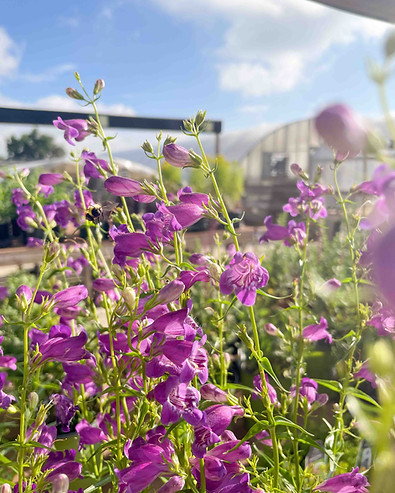
Penstemon (Beardtongue) Care Guide
-
Water: 1-2x per week
-
Light: Full sun
-
Soil: Fertile, well-draining
-
Fertilization: Apply a slow-release fertilizer in the spring.
-
Bloom Time: Summer - Fall
-
Mature Size: 1-6 ft. tall, 1-3 ft. wide
-
Attributes: Attracts hummingbirds, fragrant, attracts butterflies, attracts pollinators, cut flower, deer resistant, drought tolerant once established, rabbit resistant, xeric
Click to download a printable version of this care guide.

Phlox Paniculata (Tall Garden Phlox) Care Guide
-
Water: 2-3x per week
-
Light: Full sun to part shade
-
Soil: Fertile, well-draining
-
Fertilization: Add a layer of compost in the spring.
-
Bloom Time: Summer - Fall
-
Mature Size: 2-3 ft. tall, 2-3 ft. wide
-
Attributes: Attracts hummingbirds, drought tolerant once established, attracts butterflies, attracts pollinators, cut flower
-
Helpful Tip: To prevent powdery mildew in Tall Garden Phlox, ensure they have enough space for good air circulation. Thin out the stems in the spring to improve airflow and reduce the risk of disease.
Click to download a printable version of this care guide.

Paeonia Lactiflora (Peony) Care Guide
-
Water: 2-3x per week
-
Light: Full sun
-
Soil: Well-draining soil
-
Fertilization: Fertilize with a balanced fertilizer (10-10-10) when the plant is breaking dormancy.
-
Bloom Time: Spring
-
Mature Size: 2-3 ft. tall, 2-4 ft. wide
-
Attributes: Attracts pollinators, fragrant, deer resistant, rabbit resistant, cut flower
-
Fun Fact: If well taken care of, peony plants have the potential to live for more than 100 years.
Click to download a printable version of this care guide.

Salvia Care Guide
-
Water: 1-2x per week
-
Light: Full sun
-
Soil: Sandy, loamy, well-draining
-
Fertilization: Add a layer of compost in the spring.
-
Bloom Time: Summer - Fall
-
Mature Size: 1-4 ft. tall, 2-4 ft. wide
-
Attributes: Attracts hummingbirds, cut flower, xeric, attracts pollinators, drought tolerant once established, deer resistant, rabbit resistant, attracts butterflies
Click to download a printable version of this care guide.

Sedum Care Guide
-
Water: 1-2x per week
-
Light: Full sun
-
Soil: Sandy, loamy, well-draining
-
Fertilization: Does not require fertilizer
-
Bloom Time: Fall
-
Mature Size: Dependent on variety
-
Attributes: Attracts pollinators, fast growing, deer resistant, drought tolerant once established, xeric, rabbit resistant
-
Fun Fact: There are over 400 species of sedums, ranging from annuals to perennials and even small shrubs.
Click to download a printable version of this care guide.

Perennials are plants that live for more than two years, regrowing each season from surviving parts like roots or stems.
Shop Low-Maintenance Perennial Plants
Trees & Shrubs Care Guides
Coming Soon!
Care guides for trees and shrubs are in the works! Thank you for your patience, and in the meantime, please feel free to reach out to us directly with any of your questions.


_JPG.jpg)
Can't find what you're looking for?
If you are searching for a care guide on a specific plant but cannot seem to find it in our existing selection, please let us know! We are working on expanding our library of care guides, and your suggestions will help us know which ones to prioritize. So, please submit your inquiry via the link below and we will get your request bumped to
the top of our list!
As always, if you would like immediate help or feedback, feel free to give us a call. You will be connected with a real person who will be able to help! You can also come into our store for in-person assistnace with any of your plant needs. We look forward to being able to help you!
Recent Blog Posts