How To Choose The Right Soil For Your Plants: A Complete Beginner’s Guide

Updated: Oct 1
The best soil for plants depends on where and what you’re growing. Indoor plants, container gardens, raised beds, vegetables, flowers, and shrubs all have different soil needs. Choosing the right soil helps improve drainage, support healthy roots, retain moisture, and provide the nutrients plants need to thrive.
The quality and type of your soil can be linked to the onset of many garden problems and overall garden quality. Yellowing leaves, slow growth, root rot, and weak blooms are often signs that plants are growing in soil that does not match their needs. Understanding the differences between potting soil vs garden soil, and potting mix can help you create healthier growing conditions and make gardening much easier over time.

Different plants thrive in different soil conditions, depending on how their roots grow and how much moisture they require.
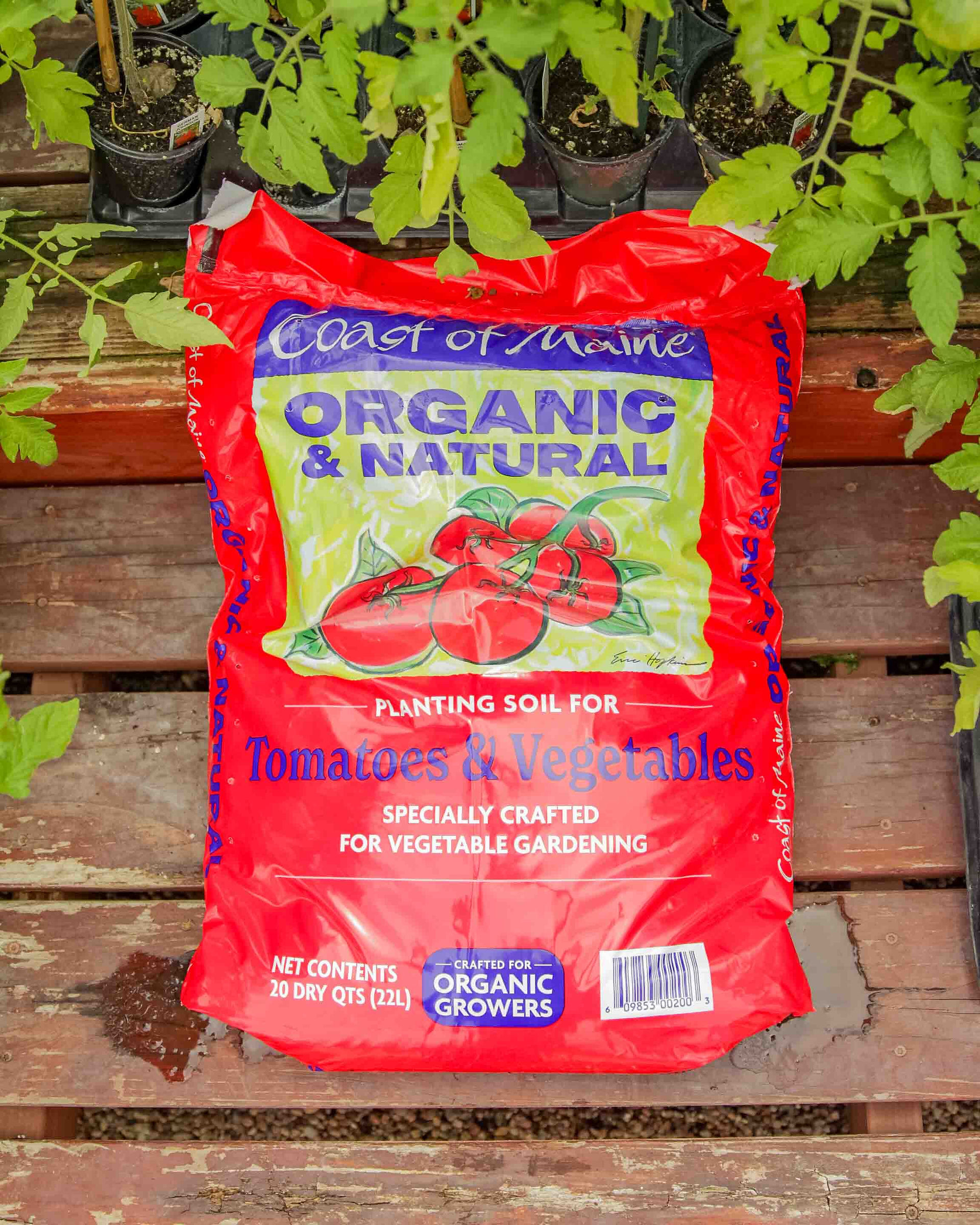
Vegetable gardens, flower beds, shrubs, and trees generally grow best in nutrient-rich outdoor soil with plenty of organic matter. Outdoor plants benefit from soil that can hold moisture while draining properly. Compost and soil amendments help improve soil structure and support beneficial microorganisms that promote healthier plant growth.
Succulents and cacti are a special case and need fast-draining soil. These drought-tolerant plants are sensitive to overly wet conditions. Specialty cactus soils often include sand or pumice to improve drainage and airflow inside the pot.
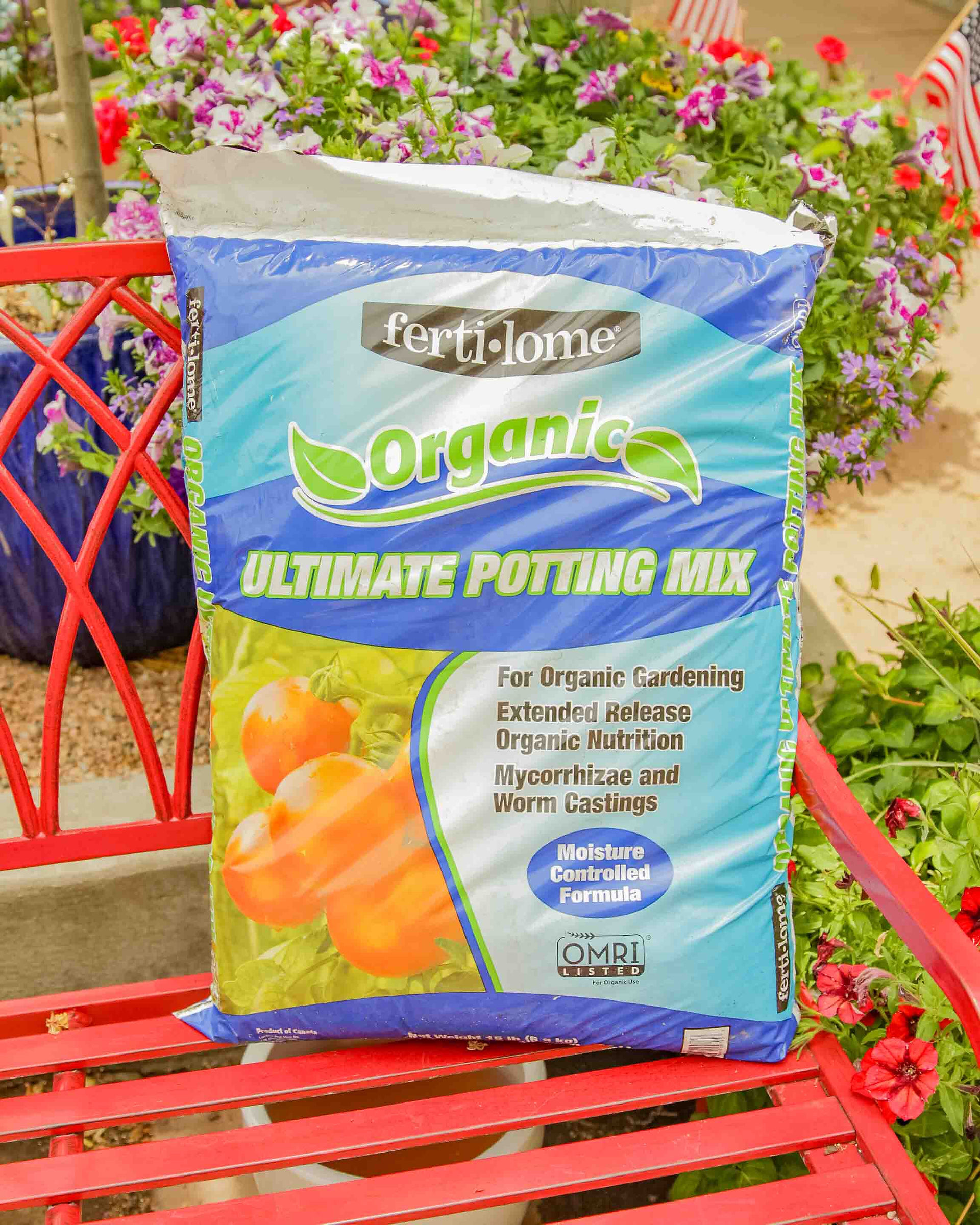
Indoor plants and container gardens usually prefer lightweight potting mixes that provide strong drainage and airflow inside containers.
Choosing plants that naturally tolerate your local soil conditions can also reduce maintenance over time by lowering watering and fertilizing needs.
What Is The Difference Between Potting Soil and Garden Soil?
Garden soil is heavier and contains organic materials, making it especially useful for improving sandy or clay soils by increasing water retention, drainage, and overall soil structure. Organic matter and soil amendments in garden soil help improve airflow and reduce compaction, which can stunt root growth and trap excess moisture around roots.
Potting soil, while rich like garden soil, is amended with lightweight, organic materials and is designed to be a complete soil for outdoor plants. While it can be used in containers, it needs to be refreshed annually and is prone to waterlogging.
Made for indoor plants, potting mix is a soilless compound of organic matter and amendments, such as perlite, that provide nutrition and excellent drainage for plants.
Using the wrong soil type can make it harder for roots to access water, oxygen, and nutrients, even if the plant itself is healthy.

How To Know If Your Soil Is Good For Plant Growth
Healthy soil should support drainage, airflow, moisture retention, and root development without becoming compacted or waterlogged.
If water pools on the surface after watering, the soil may contain too much clay or have poor drainage. If the soil dries out almost immediately, it may contain too much sand or lack enough organic matter to hold moisture effectively.
Healthy soil should feel loose enough for roots to spread easily while still retaining some moisture between waterings. Steady plant growth, consistent moisture levels, and healthy root systems are all signs of balanced soil conditions.
A soil test can also help identify nutrient deficiencies and pH imbalances that may affect plant growth. Different plants prefer different pH levels, so understanding your soil conditions can help you select the best mix of plants for your garden or containers.
What Soil Mix Is Best For Indoor Vs Outdoor Plants
Indoor and outdoor plants often need different soil mixes because they grow in very different environments. Indoor plants typically perform best in lightweight potting mixes that promote drainage and airflow. Since containers indoors tend to dry more slowly, dense soils can trap too much moisture around roots. Potting mixes are designed to stay airy while still holding enough moisture for healthy plant growth.
Outdoor plants growing directly in the ground usually benefit from heavier garden soil enriched with compost and organic matter. Outdoor soil needs to support larger root systems while handling changing weather conditions, rainfall, and temperature fluctuations.
How To Improve Poor Soil For Healthier Plants
Even poor soil can often be improved over time with the right amendments and gardening practices. Compost improves soil naturally by adding organic matter, supporting beneficial microorganisms, and enhancing drainage and moisture retention.
Mulch can also improve soil health by reducing evaporation, regulating soil temperature, and slowly adding nutrients as it breaks down.
Compacted soil may benefit from aeration and the addition of compost to improve airflow and drainage. Sandy soil can often be improved by adding organic matter to help retain moisture longer between waterings.
Gradually improving soil over time often leads to stronger roots, healthier foliage, and more productive flowers and vegetables.
Ask Soil Experts At Bath Garden Center For Help
Choosing the best soil for plants can make a major difference in the health and success of your garden. At Bath Garden Center, our knowledgeable team can help you compare potting soil vs garden soil, select the right soil for indoor plants, and find the best choice for vegetables, flowers, succulents, shrubs, and raised beds. Whether you are planting indoors, building raised beds, or improving outdoor garden soil, we have the soils, compost, mulch, and gardening supplies you need to help your plants thrive throughout the growing season.
Resources:
University of Massachusetts Amherst. "Bagged Potting Mixes and Garden Soils for Home Gardeners." https://www.umass.edu/agriculture-food-environment/home-lawn-garden/fact-sheets/bagged-potting-mixes-garden-soils-for-home-gardeners
University of Minnesota Extension. "Starting your garden and containers off right."